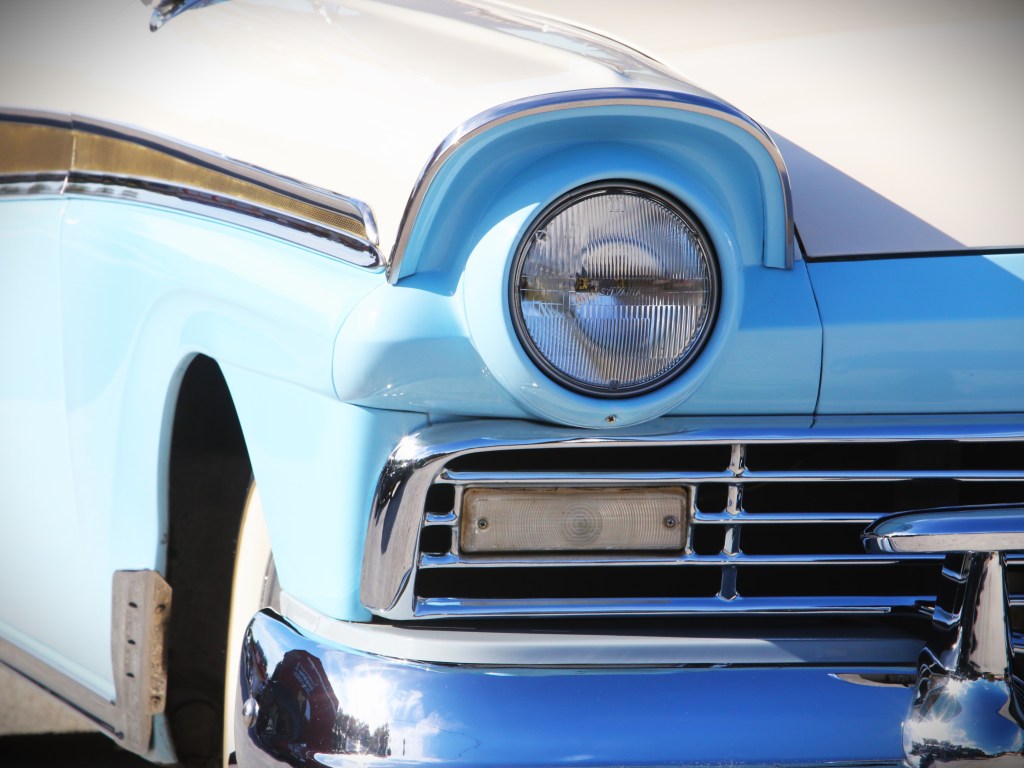
Remember that new car your family bought back in the 1960s? Remember how bright and shiny the paint was, and how the color seemed to just explode when you looked at it in the bright sunlight?
You might think that your memory is just playing tricks on you. Maybe you think automotive paint color and quality must have improved over time. It’s GOT to be better now than it was in those early years. Right?
Wrong.
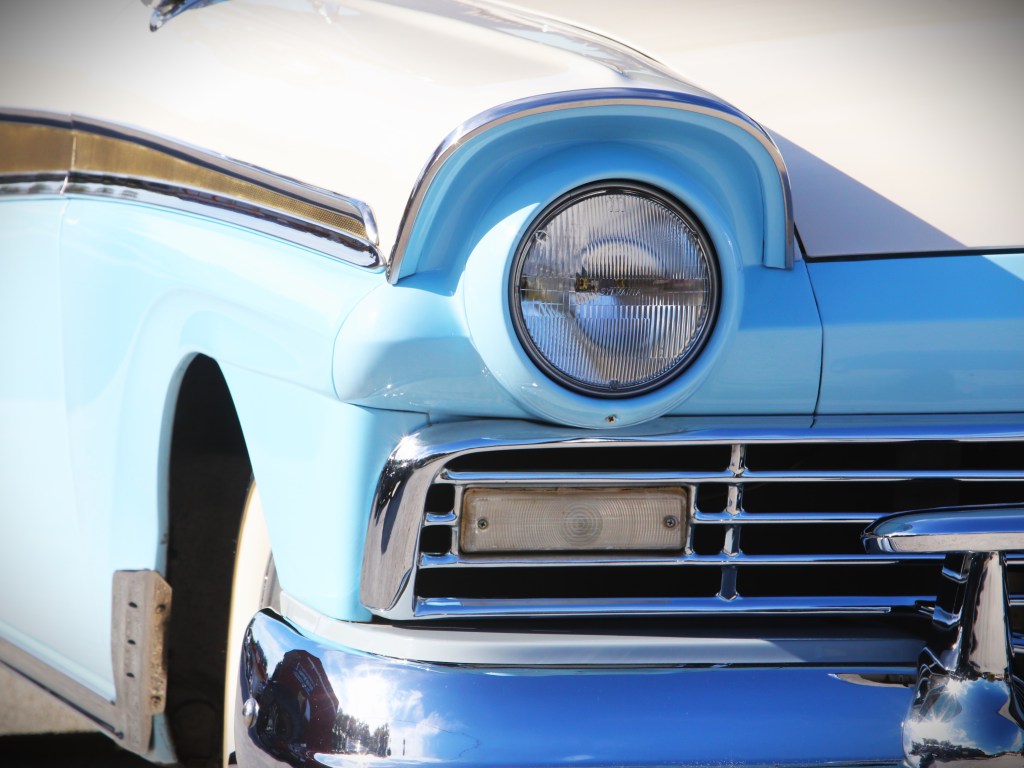
Today’s automobile paint is not near as good as it used to be. There are a number of reasons for that, but there is no doubt that modern automobile paint does not look as good as it used to. And it is not near as protective of your car as it used to be, either.
Up until the 1990s or so, automobile paint was good to look at, and it was good when it came to protecting your car’s body panels, too. Those older finishes were durable, they were thick, and they were lustrous. They even felt good when you ran your hand over a painted body panel.
There was plenty of thickness to the paint finish, so light scratches buffed out easily. Oxidation was a slow process, and the paint even stood up pretty well to stone chips.
None of that is true today.
Chances are you will pick up your first stone chip on your first ride home from the dealership. And it won’t take very long for the paint quality to decline because of the sun’s rays and environmental factors.
There are several reasons for this decline. They range from newer environmental regulations, the processes that manufacturers use to apply the paint to the car, and modern-day economics.
Let’s look more closely at all those factors:
OLDER PAINTS WERE SOLVENT-BASED
Up until the 1980s, manufacturers used solvent-based and high-VOC paints (VC stands for volatile organic compounds). And the paint layers that were applied were thick. That kind of paint was easy to apply, it responded well to polishing, and it took a very long time to degrade.
That paint flowed easily out of the gun, and it leveled itself easily as it cured. That solvent-based paint adhered to the car’s metal, and it also bound tightly to the primer.
Because of today’s environmental regulations, auto paint now is water-based. That’s good for the environment, but bad for the quality of the paint on that brand-new car you just bought. It doesn’t flow easily out of the gun, it doesn’t cure easily, and the layers of paint are much thinner than they were in the earlier times when solvent-based paints were the norm.
Also, today’s automotive paints are applied by robots. Those robots do a pretty good job of applying uniform layers, but gone are the days when a skilled worker could spot a thin spot and immediately correct it.
CLEARCOATS HAVE CHANGED
The clearcoat technology of, say, the 1980s produced a thick and uniform layer of protection that was hard and thick. Today’s clearcoats are thinner than those earlier versions and a good deal more brittle.
Why are they thinner? Because thin clearcoat layers cost less to apply, and they speed up the production process. The result? Paint finishes that are more susceptible to chipping and degradation from UV rays. Also, thinner clearcoats mean that defects are much harder to polish out.
COST PRESSURES
The automotive business is highly competitive, and profitability goes up when production time goes down. Paint applied by robots goes on faster, and thin layers of paint cure faster. Reducing the amount of paint that goes on the car means that manufacturers can save millions of dollars every year.
In the 1980s, new cars left the factory with around 150 to 200 microns of paint; today, cars coming out of the manufacturing plant have about half that much paint.
Buyers want fuel economy, efficiency, and all the very latest technical geegaws. What they don’t demand is better paint. But as paint quality continues to decline, that could change.
Are there other factors that affect paint quality? Sure. Modern road conditions are worse than they used to be because of higher traffic counts. UV intensity is greater than it was. Road chemicals, acid rain, brake dust, industrial fallout, and recycled asphalt debris all contribute to the problem. Plus, the rise in plastic body panels means that paint doesn’t adhere to the plastic in the same way as it adheres to metal.
Sounds hopeless, doesn’t it?
But don’t despair. There is something you can do.
You may have noticed the increase in the number of shops offering paint protection products and services. These shops generally offer ceramic coatings and paint protection film (PPF). The ceramics go on in liquid form and harden to an armor-like protection shield that last for years; the PPF is an actual transparent plastic sheet that is invisible to the eye once applied but which offers excellent protection, especially against rock chips.
With the decline of paint quality, paint protection products and services are a near-necessity to protection your vehicle from harm.
A word of caution: your new-car dealer may offer to ceramic-coat your new car. Don’t fall for that. Buy the car and take it to a specialty shop that offers professional PPF and ceramic coatings.
 The Paint Guy
Leave a comment